
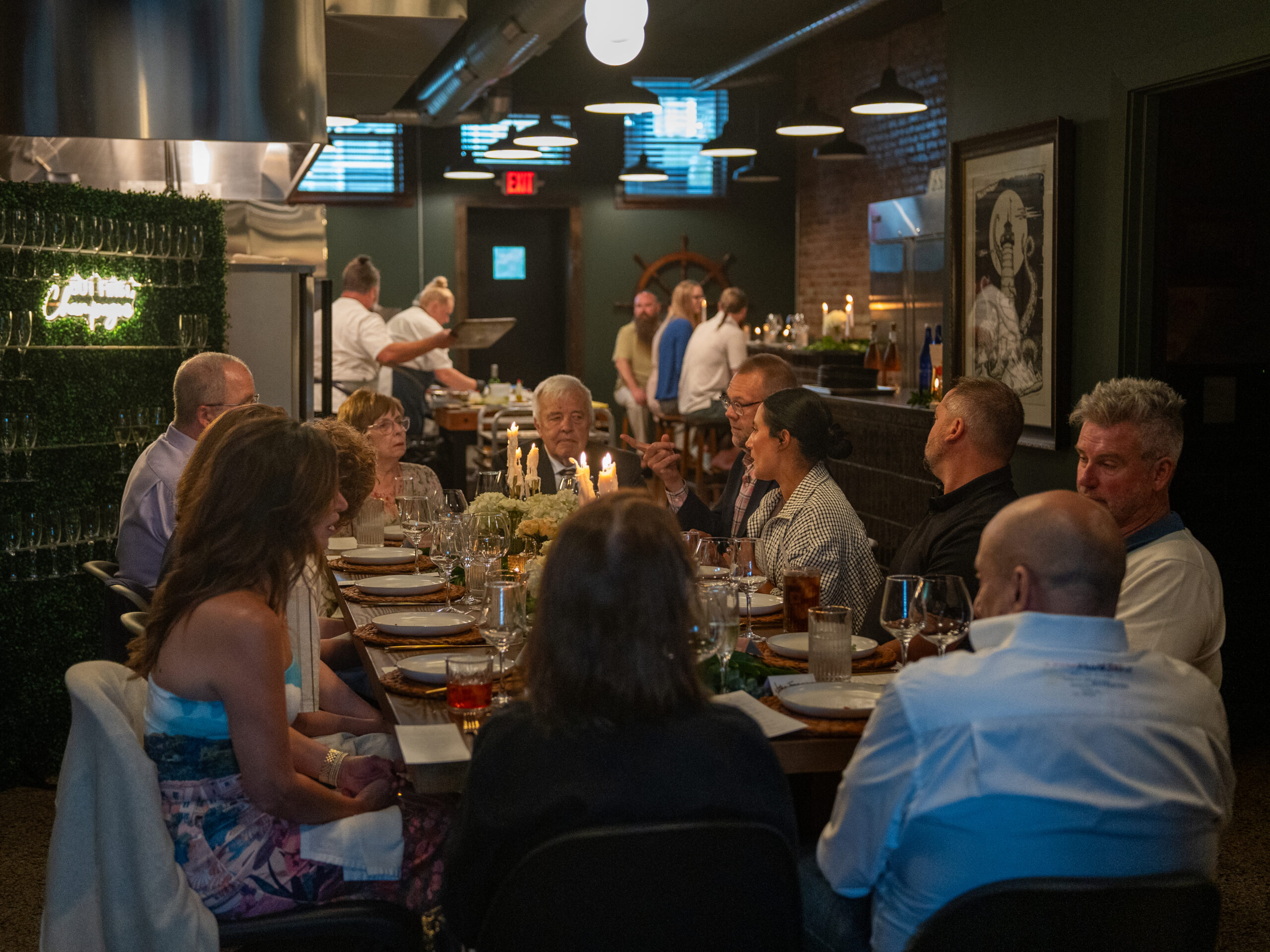
Once you know roughly how much food you need, the next question decides most of your budget: how does it get to the plate. Drop-off, buffet, stations, family style and plated are five different events at the same guest count, and the gap between the cheapest and the most expensive is usually double. Here is what each one actually involves.
Drop-off
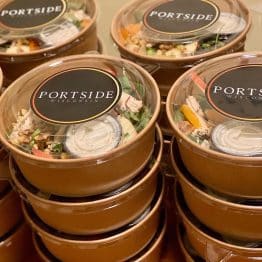
Food arrives packaged, hot or cold, and you take it from there. No staff stay on site. This is the right answer far more often than people expect, particularly for office lunches, meetings and anything where guests are eating at their desks or standing around a conference table.
- Best for: 10 to 60 guests, informal, daytime
- Staff on site: none
- What you handle: setup, serving, and clearing up
- Watch for: holding temperature. Anything more than about 90 minutes between delivery and eating needs planning
Buffet
One line, guests serve themselves, staff keep it stocked. The workhorse format for weddings and larger parties because it handles variety well and lets people take what they actually want.
- Best for: 40 to 200 guests
- Plan on: one serving line per 60 to 75 guests, or the queue becomes the event
- Food cost: roughly 15 percent higher than plated at the same guest count, because portions drift up when people serve themselves
- Watch for: table release. Sending 150 people to one line at once is the most common way a good buffet goes wrong
Stations
Several smaller setups placed around the room rather than one line. A carving station here, a pasta station there, a grazing table by the bar. Guests move between them.
- Best for: cocktail receptions, launches, anything where you want people mingling rather than seated
- Staff on site: more than a buffet, since several stations need attending at once
- Why it works: it spreads the crowd out and keeps the room moving, which matters more than the food at a networking event
Family style
Platters go to the table and guests pass them. It reads as generous and warm, and it gets people talking to the person next to them, which is the whole point at a rehearsal dinner or a milestone birthday.
- Best for: 20 to 80 seated guests
- Needs: table space. Platters, serving spoons and the place settings all have to fit
- Food cost: similar to buffet, since the same self-serve portioning applies
Plated
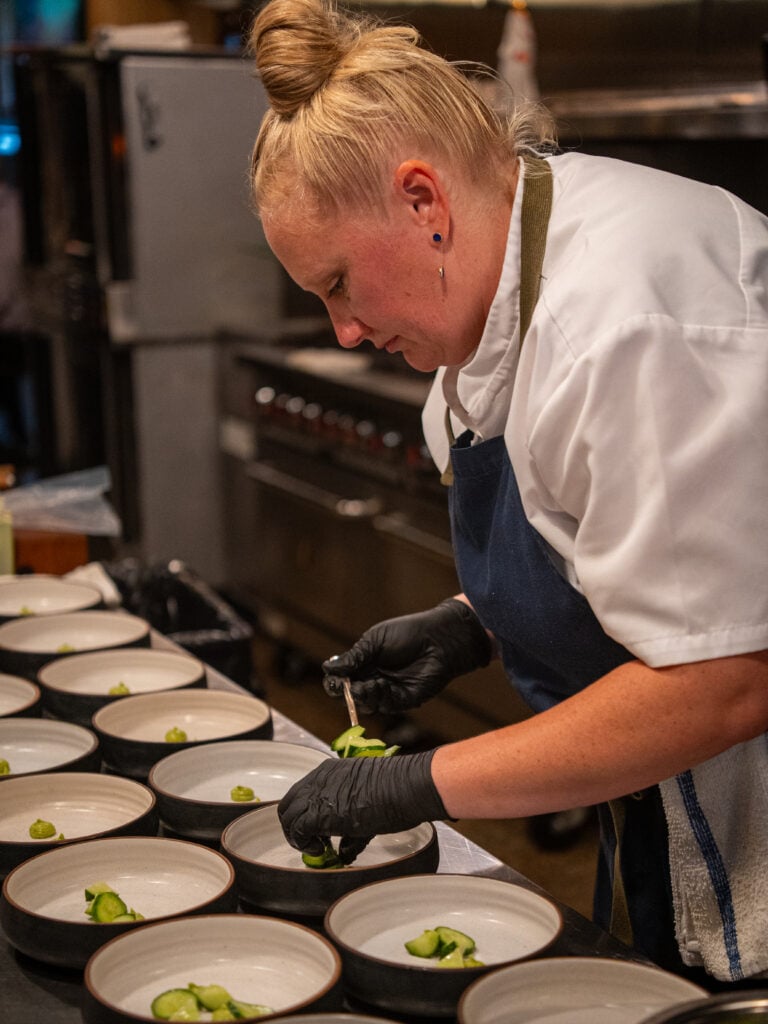
Each course is composed in the kitchen and carried out. The most controlled option, the most formal, and the one that needs the most staff.
- Best for: weddings, awards dinners, anything with speeches or a running order
- Staff on site: roughly one server per 15 to 20 guests
- Food cost: the lowest per head of any format, because portions are exact
- Total cost: usually the highest, because the labor more than offsets the food saving
- Needs from you: entree counts in advance, and place cards that say who ordered what
Choosing between them
Four questions settle it most of the time.
- Are people seated? If yes, plated or family style. If they are standing and moving, stations or a buffet.
- Is there a schedule? Speeches, a first dance or a presentation all need plated service, because it is the only format that puts everyone at the same course at the same time.
- What does the venue have? No kitchen means no plated service without bringing equipment, which changes the quote. Ask the venue before you fall in love with a format.
- Where is the budget tight? If it is food, go plated and control the portions. If it is total spend, go drop-off or buffet and save the labor.
The mistake worth avoiding
Picking the format before picking the venue. Room shape, kitchen access, power and load-in decide what is possible, and plenty of beautiful spaces in Kenosha County have no kitchen at all. That is workable, and we do it regularly, but it needs to be known early rather than discovered two weeks out.
If you are weighing two formats against each other, tell us the venue, the guest count and whether there is a running order, and we will tell you which one fits and what each would cost. Have a look at corporate and event catering, wedding catering or private dinners and celebrations, then tell us about your event. If you are still working out quantities, start with how much food per person.